.png)
10 Important Dryer Vent Safety Tips Every Homeowner Should Follow

Dryers are one of the most commonly used appliances in the home, yet they are also one of the most overlooked fire risks. Attached to your dryer is the dryer vent system which is an essential part of the drying process. Many folks don't realize the different aspects involved with maintaining this part of your home. As dryer vent experts, we're bringing your our best dryer vent safety tips.
According to the most recent data from the National Fire Protection Association (NFPA), U.S. fire departments respond to thousands of dryer-related home fires every year, with the leading cause consistently being failure to clean and maintain the dryer vent system. These fires are not typically caused by defective appliances: they are caused by restricted airflow, lint buildup, and poor venting conditions, all of which are preventable.
Dryer lint is highly flammable. When airflow is reduced, heat builds up inside the dryer and vent duct, creating the perfect conditions for ignition. The good news is that simple maintenance habits and regular inspections can dramatically reduce the risk.
Below are 10 essential dryer vent safety tips, each with a clear action you can take to protect your home, improve dryer performance, and reduce fire risk.
Dryer Vent Safety at a Glance
● Most dryer fires are caused by restricted airflow and lint buildup
● Cleaning the lint trap alone does not prevent dryer vent fires
● Poor vent design and crushed ducts increase fire risk
● Professional vent cleaning removes hidden lint inside walls
● Routine checks can prevent fires, save energy, and extend dryer life
1. Check Your Outside Dryer Vent
Your exterior dryer vent is one of the most important — and most ignored — safety checkpoints. When your dryer is running, hot, moist air should flow freely out of it. Weak airflow is often the first sign of a clog or blockage.
Action step: Run your dryer for 5 minutes and check the exterior vent every few months to confirm warm air is flowing freely. If airflow is weak, inconsistent, or nonexistent, schedule a professional dryer vent inspection. Check out this short video demonstration.
2. Clean the Lint Trap Before Every Load
Lint is the most common fuel source in dryer fires. Even a thin layer of lint on the screen can restrict airflow and cause excessive heat buildup inside the dryer.
Action step: Remove lint from the screen before every load, not after. Once a month, wash the lint screen with warm water and mild soap to remove residue from fabric softeners that can block airflow.

3. Keep the Area Around the Dryer Clean
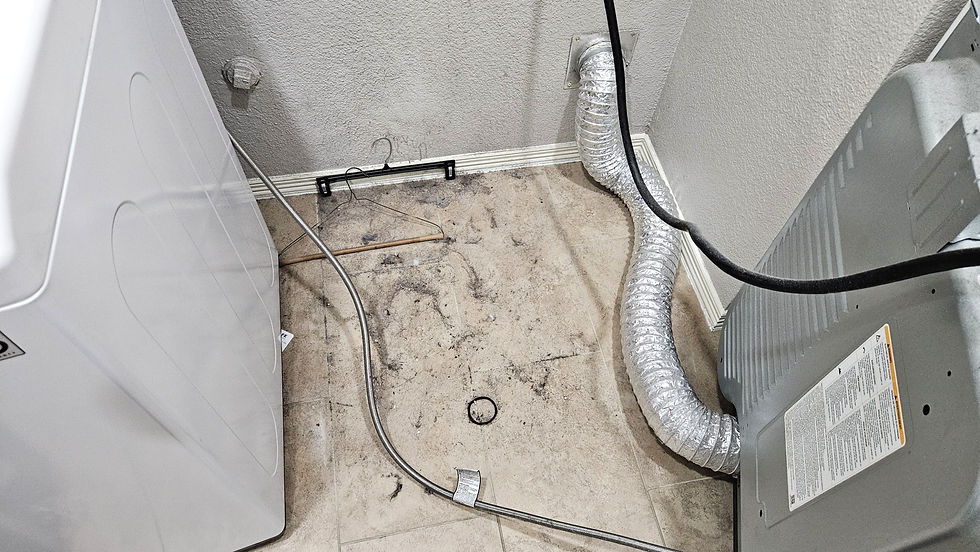
Lint doesn’t only collect inside the dryer — it accumulates behind, beneath, and around it. Heat from the dryer can ignite lint hidden in these areas.
Action step: Pull the dryer away from the wall at least twice a year and vacuum lint from the floor, wall, and vent connection. Remove dust, lint, and clutter from behind and under the appliance.
4. Make Sure Your Dryer Vent Is Properly Designed and Installed
Improper vent design is a major contributor to dryer fires. Long duct runs, excessive bends, sagging hoses, or vents that exhaust into attics or wall cavities all increase lint buildup and heat retention.
Action step: Confirm that your dryer vent does each of the following…
● Exhausts directly outdoors
● Uses 4-inch metal ducting
● Is as short and straight as possible
If you’re unsure, have a professional evaluate the vent layout.

5. Keep a Fire Extinguisher Near the Laundry Area
While prevention is the goal, preparedness matters. A small dryer fire can escalate quickly without immediate response.
Action step: Install a Class ABC fire extinguisher near the laundry room and make sure everyone in the household knows where it is and how to use it.
6. Never Leave the Dryer Running When You’re Away or Asleep
Dryers generate significant heat and should always be supervised. Many dryer fires occur when no one is home to notice warning signs, such as overheating or burning smells.
Action step: Run the dryer only when you are home and awake. If a cycle needs to be restarted, wait until you can monitor it.
7. Use Only Metal Dryer Ductwork
Accordion-style plastic or foil ducts trap lint, restrict airflow, and are easily crushed behind the dryer. They are a known fire hazard and are no longer recommended.
Action step: Replace flexible plastic or foil ducts with rigid or semi-rigid metal ducting. Ensure connections are secure and not held together with standard duct tape.
8. Keep Flammable Items Away From the Dryer
Items stored near the dryer can ignite if exposed to heat or lint buildup. This includes cleaning products, cardboard boxes, clothing piles, and paint cans.
Action step: Maintain a clear zone around the dryer. Do not store flammable or combustible materials in the laundry area.
9. Never Dry Items Contaminated With Flammable Substances
Clothing or rags exposed to gasoline, oil, solvents, or cooking grease can ignite in the dryer even after washing.
Action step: If an item smells like fuel, oil, or chemicals after washing, do not put it in the dryer. Air-dry it outdoors or dispose of it safely.
10. Schedule Regular Professional Dryer Vent Cleaning
Cleaning the lint trap alone is not enough. Lint accumulates inside the vent duct hidden within walls and ceilings, where homeowners cannot reach it.
Action step: Schedule a professional dryer vent inspection and cleaning every 1 to 3 years, or sooner if warning signs appear. If you are looking for a dryer vent cleaning company in DFW, contact HomeSafe today!
Early Warning Signs of Dryer Vent Safety Issues
Some dryer vent problems show subtle warning signs before they become serious safety hazards.
If you notice any of the following, your dryer vent system may not be exhausting properly:
● Clothes take longer than normal to dry
● The dryer or laundry room feels unusually warm
● Musty or burning odors during operation
● The dryer shuts off before a cycle finishes
● The exterior vent flap does not open fully
These symptoms don’t always mean a dryer fire is imminent, but they do indicate restricted airflow that should be addressed. If you want a deeper breakdown of what each sign means and when professional cleaning is recommended, you can read our full guide on how to tell if your dryer vent needs cleaning.
Final Reminder: Prevention Is Simple and Effective
Most dryer fires are preventable with routine maintenance, proper vent design, and regular inspections. A clean, well-vented dryer not only reduces fire risk but also dries clothes faster, lowers energy costs, and extends the life of your appliance. In many homes we inspect, significant lint buildup is found inside the dryer vent duct, even when the lint trap is cleaned regularly.
HomeSafe has been cleaning, repairing, and improving dryer vent systems across North Texas since 2009. If you’re unsure about the condition of your dryer vent or want peace of mind, a professional inspection is the safest next step. To schedule an inspection and/or dryer vent cleaning service in DFW, book an appointment online.
Frequently Asked Questions About Dryer Vent Safety Tips
How often should dryer vents be cleaned?
Most homes benefit from professional dryer vent cleaning every 1 to 3 years, depending on dryer usage, vent length, and household size.
Is cleaning the lint trap enough to prevent dryer fires?
No. Lint traps catch only a portion of lint. The rest accumulates inside the vent duct where it cannot be seen or reached without professional tools.
Can I clean my dryer vent myself?
Basic maintenance is helpful, but DIY methods cannot fully remove lint from long or concealed vent runs and may sometimes worsen blockages.
What type of dryer vent is safest?
Rigid or semi-rigid metal ducting is the safest option. Flexible plastic or foil ducts trap lint and restrict airflow.


This is such a vital topic, and you've laid it out so clearly. It would be absolutely brilliant to see how the importance of dryer vent maintenance compares internationally, or even across different climates. My own perspective on this shifted significantly after reading your post; I used to just think it was about drying efficiency, but the safety aspect you highlighted is so much more critical. I'm fully on board with this perspective now https://www.esafety.gov.au/ What also got my attention is that I've been trying to understand the real risks involved, and this really nailed it. It's going to come up in so many conversations I have with friends and family. Something else worth mentioning is what's the next big…
This is such a fantastic breakdown of dryer vent safety! I’ve definitely seen firsthand how easily lint buildup can become a real hazard, so highlighting what most people overlook is so crucial https://form.typeform.com/to/OOQMoxUK For me, it’s always been the frequency of cleaning; people think a quick check is enough, but it needs regular attention. Your point about scalability is also incredibly insightful, especially for those with larger households or multiple appliances. It really makes you consider the long-term implications https://www.deakin.edu.au/ I particularly love how you've made this complex topic feel so accessible and actionable. It's easy to get overwhelmed by home maintenance, but your clear explanations are a breath of fresh air. I'm going to be bookmarking this to revisit…
Dryer vent safety is a crucial aspect of home maintenance that every homeowner should prioritize. From regularly cleaning the lint trap to ensuring proper vent installation and airflow, these small steps can prevent potential hazards and keep your home safe. It’s also important to inspect vents for blockages, avoid overloading the dryer, and schedule https://en.wikipedia.org/wiki/Pennsylvania_Gaming_Control_Board professional cleanings when needed. Much like the excitement where attention to detail and smart choices lead to the best outcomes, taking the time to follow these safety tips ensures peace of mind and a smoothly running household.